Last updated November 18, 2026
How Long Does It Take to Build an ADU in Spring Valley?
The timeline you see advertised online is almost never the timeline you’ll live through. When a national ADU company says “ready in six months,” that promise assumes a jurisdiction with a fast-track permit review, and Clark County isn’t built that way. Plan review for a first submittal currently runs 8 – 14 weeks before a single framing nail is driven, which pushes most custom-build schedules well past the six-month mark. In this guide, we’ll map the realistic phase-by-phase schedule for a Spring Valley ADU, call out the two variables that actually compress the timeline, and give you a milestone table you can use to hold any contractor accountable – including the brand platforms that claim to be faster.
Quick Answer
A realistic ADU build in Spring Valley takes 9 – 14 months from signed contract to move-in for a custom or site-built unit. The county plan review alone accounts for 8 – 14 weeks of that on a first submittal, and any resubmittal cycle adds 3 – 6 weeks per round. Prefab brands like Abodu and Cover can compress the construction phase but cannot shorten the county clock – they still submit to the same plan check.
Table of Contents
- A Realistic Phase-by-Phase ADU Timeline for Spring Valley
- Why Clark County Plan Check Sets the Pace
- The Two Variables That Actually Compress the Schedule
- How Prefab Brands Like Abodu and Cover Affect the Timeline
- Seasonal Construction Realities in the Spring Valley Heat
- A Milestone Table You Can Hold Any Contractor To
- Garage Conversion vs. New Build: How the Timeline Differs
- Utility Hookup and Final Inspections
A Realistic Phase-by-Phase ADU Timeline for Spring Valley
Here’s the honest version, broken down by phase. Every ADU project moves through these stages in roughly this order, and any contractor who quotes you a total without breaking it down this way is guessing.
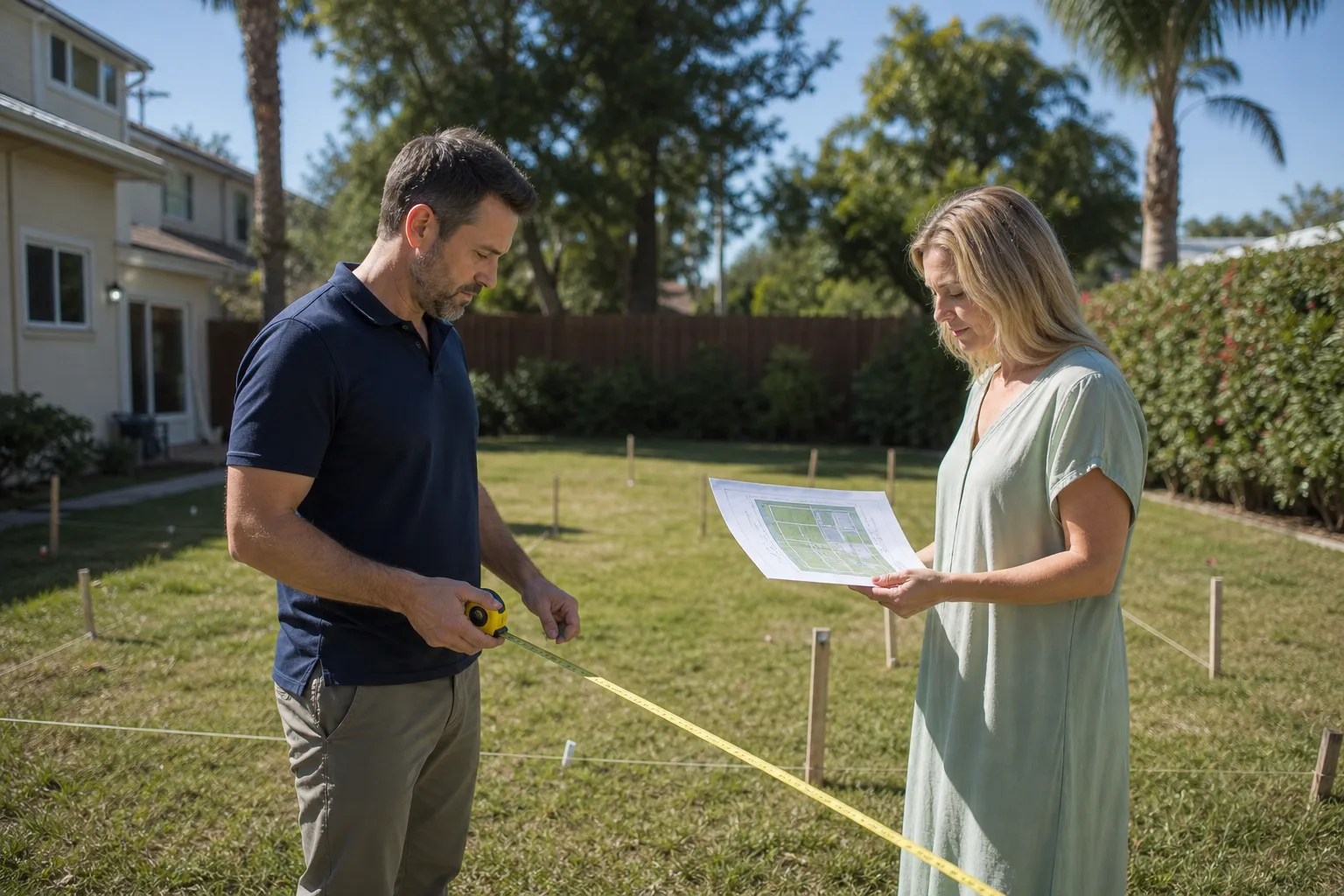
- Feasibility and site review (2 – 4 weeks). This is where we look at your lot’s buildable area, setbacks, utility connections, and access for construction vehicles. In Spring Valley, lot size and slope vary enough that this step can’t be skipped. Expect a frank conversation about where a casita can realistically sit.
- Schematic design (4 – 8 weeks). Custom designs move slower here because decisions compound – a covered entry, a full kitchenette, a separate HVAC zone each touch the drawings. Prefab selection compresses this dramatically since you’re choosing a fixed plan from Abodu, Cover, or Dvele.
- Construction documents and engineering (3 – 5 weeks). Structural, energy, and Title 24-equivalent calcs have to be complete before submittal. Incomplete packages are the single largest cause of delay.
- Clark County plan check (8 – 14 weeks on a first submittal). This is the phase homeowners consistently underestimate. It happens before any framing, any concrete, any earthwork.
- Resubmittal cycles (3 – 6 weeks each, if needed). A first review rarely comes back clean. Every comment means a correction, a re-review, and more calendar time.
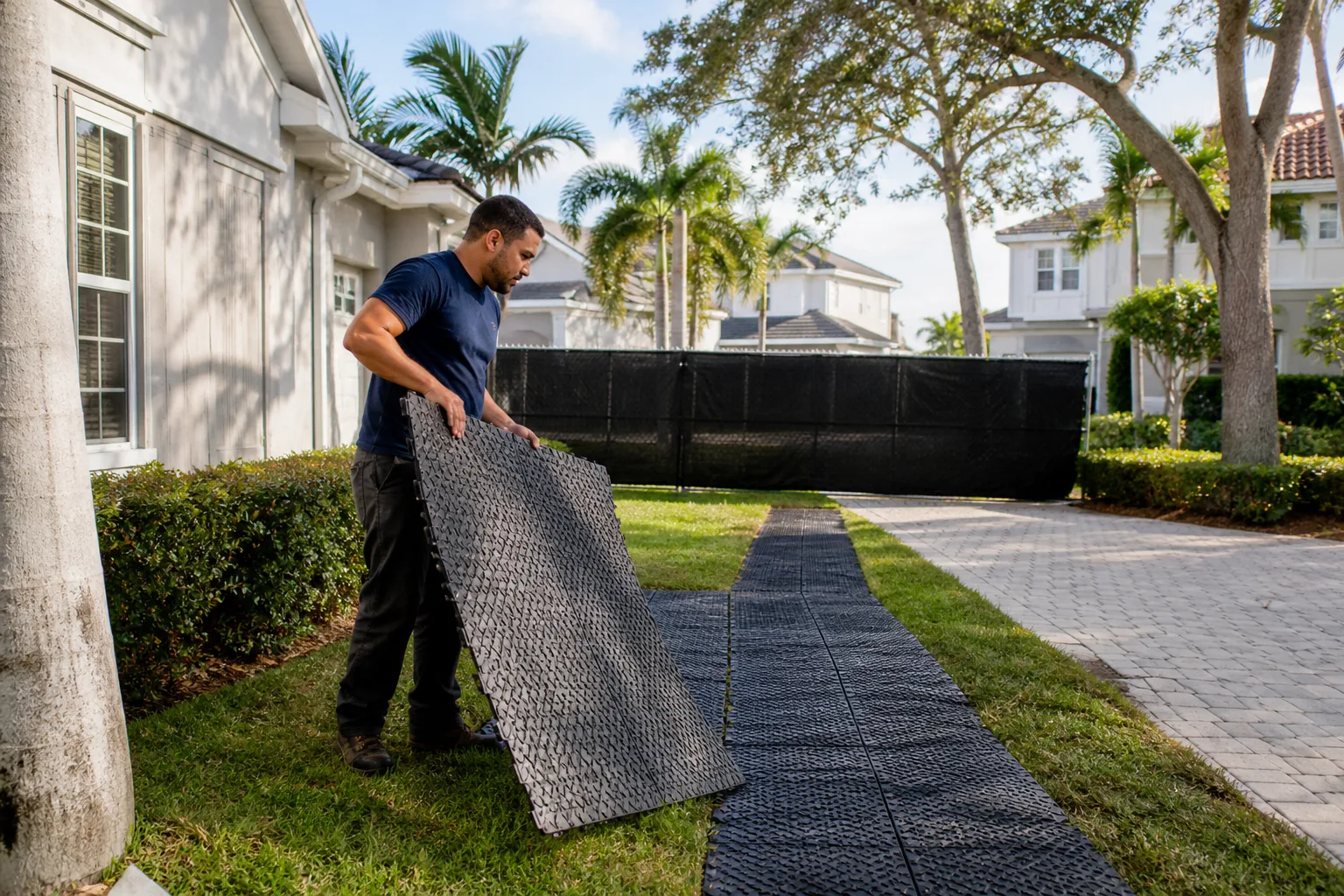
- Site prep and foundation (3 – 5 weeks). Utilities trenching, grading, form work, and concrete. Concrete curing in Spring Valley’s summer heat needs scheduling care – more on that below.
- Framing through dry-in (4 – 6 weeks for site-built). Prefab units skip most of this because the shell is factory-built.
- Rough-ins, insulation, drywall, finishes (6 – 10 weeks). MEP rough-ins are inspected in sequence, which is where an inspector relationship matters.
- Final inspections and utility hookup (2 – 4 weeks). The last mile: final building, electrical, plumbing, and the actual connection of power, water, and sewer.
Stack it up and you’re looking at 9 – 14 months for a site-built custom unit, or closer to 7 – 11 months for a well-managed prefab. That’s the real number in Spring Valley, and it’s the number we work from when we build an estimate.
Why Clark County Plan Check Sets the Pace
Homeowners come to us with a mental model of construction where the slow part is the hammering. It isn’t. The slow part is the paperwork, and in Clark County that paperwork runs 8 – 14 weeks for a first submittal on an ADU. That’s the county’s schedule, not ours, and no builder can shortcut it.
What’s happening during those weeks is a technical review across multiple disciplines: zoning, structural, energy, fire separation, and utility impacts. Each department has its own queue and its own reviewer. If you’re building in Spring Valley near the older established parcels, your existing lot layout can trigger additional comments – think access easements or non-conforming setbacks on the existing house – that a newer planned subdivision wouldn’t. That’s a Spring Valley-specific wrinkle we plan for from the feasibility meeting forward.
The main workaround is quality of submittal, and we’ll cover that in the next section. But here’s the framing to keep in mind: the county clock is not a construction clock. It’s a review clock, and it runs whether or not your contractor is doing anything. Any timeline that doesn’t account for 8 – 14 weeks of first-submittal review is a number someone borrowed from a different jurisdiction and pasted onto a Spring Valley project.
If you’re still deciding between an ADU builders specialist and a general contractor, that’s a fair question to ask each: what does their first-submittal review experience in Clark County look like? For a guide to the broader decision, we cover that in our Spring Valley resource page.
The Two Variables That Actually Compress the Schedule
Of the dozens of things that touch an ADU timeline, only two are genuinely under a homeowner’s control. Everything else is either fixed (county review) or dependent (weather, materials, trade schedules). Focus on these two.
1. A complete submittal package on day one
A clean first submittal can save you the entire resubmittal cycle, which runs 3 – 6 weeks per round. If your first review comes back with 30 comments across three disciplines, that’s not one resubmittal – it’s often two, because fixes for one department trigger re-reviews in the others. A complete package means engineered drawings, site plans, energy documentation, and utility coordination all filed together, not in stages. We’ve seen the difference between a thorough first pass and a rushed one; the thorough pass routinely lands 8 – 16 weeks ahead by move-in.
2. A contractor with a real relationship to the Clark County inspector pool
This is the one nobody puts on a marketing page, but it’s how the last 60 days of a job actually get scheduled. Inspectors in Clark County are a finite group. A contractor who’s been through a dozen inspections on ADU work knows the sequencing patterns, the corrections that come up most often, and how to have the work ready when the inspector arrives. That relationship means fewer failed inspections, fewer re-visit scheduling gaps, and cleaner tail-ends. It doesn’t “buy” you speed you haven’t earned, but it stops bleeding weeks to avoidable re-inspections.
- Ask any contractor for their first-submittal comment average. If they can’t answer, they haven’t submitted enough in Clark County.
- Ask for a sample schedule with phase dates, not just a total.
- Ask how many ADU inspections they’ve coordinated in the last 12 months.
How Prefab Brands Like Abodu and Cover Affect the Timeline
Prefab saves real time – just not the time you might think. Here’s the honest split.
- Where prefab genuinely saves weeks: schematic design (weeks, not months), construction documents (standardized by the manufacturer), and site construction. Abodu units arrive with engineered plans already reviewed by their team; Cover’s panelized system shortens framing-to-dry-in dramatically. Factory conditions also mean the shell is built regardless of weather, which matters in a Spring Valley summer.
- Where prefab does not shorten the clock: county plan check. The same 8 – 14 week review applies because the county reviews the site-specific installation – foundation, utilities, and placement – not just the unit itself. Prefab doesn’t get a fast lane through Clark County. Any manufacturer who implies otherwise hasn’t built enough here.
- Where prefab can add time: the lead time between ordering a unit and delivery to your lot. That’s a scheduling variable to build into the plan, not a reason to skip prefab. We time the order to land during the county review, which is what makes prefab genuinely faster in practice.
Dvele is the third option in the prefab space we work with, and it sits somewhere between the two – more customization than a fixed-model Abodu, more standardized than full site-build. The real answer to which is faster is: faster at what phase? Our job with each client is to lay out prefab and site-built options side by side so the choice is made on facts rather than brand marketing. If you want to compare custom scope alongside your prefab options in your Spring Valley lot, we’re set up to do both under one contractor.
Seasonal Construction Realities in the Spring Valley Heat
Spring Valley’s climate shapes the construction calendar in ways a national timeline ignores. Summer heat drives the biggest scheduling decisions.
- Concrete placement windows. Peak summer afternoons get too hot for reliable concrete curing without careful management. We schedule pours for early morning, and we don’t take chances on a day where the heat forecast is marginal. Losing two days to a rescheduled pour is cheaper than losing weeks to a pour that fails inspection.
- Framing crews on the hottest weeks. Trade availability tightens in July and August. Crews take longer per day or schedule fewer hours, and framing that’s six weeks in a cooler month often runs eight in mid-summer. Building a buffer here is standard for us; the “six-month build” timelines online don’t account for it.
- Installing prefab units mid-summer. Set day is a heavy lift in the heat. It also needs to happen when the crane operator and the delivery team can work safely, and that’s not an afternoon decision. Prefabs scheduled to set in late summer have to be planned backward from a morning window.
- Winter is not a problem here. One of Spring Valley’s construction advantages is a mild winter – no freeze-protection delays, no snow days. If you can align your county review to complete in late fall, you get a winter construction window that most of the country doesn’t have.
Your realistic construction window matters as much as your start date. We factor the seasonal calendar into the written estimate so you’re not comparing a summer-start schedule against a fall-start one as if they were the same job.
A Milestone Table You Can Hold Any Contractor To
Save this table. It’s how you hold any contractor – including us – accountable to the schedule they quoted. Ask for these milestones in writing before you sign. Realistic ranges below assume a straightforward ADU on a buildable Spring Valley lot.
| Milestone | Typical Duration | What “on track” looks like |
|---|---|---|
| Feasibility & site review | 2 – 4 weeks | Written site review delivered with setback and utility notes |
| Schematic design | 4 – 8 weeks (custom); 2 – 3 weeks (prefab) | Signed drawings, no “final review” open loops |
| Construction docs & engineering | 3 – 5 weeks | Complete package delivered for submittal, not partial |
| Clark County plan check (first submittal) | 8 – 14 weeks | In county queue, submittal receipt in hand |
| Resubmittal cycles (if needed) | 3 – 6 weeks each | Comments addressed within one week of receipt |
| Site prep & foundation | 3 – 5 weeks | Pour completed and curing, inspected |
| Framing to dry-in (site-built) | 4 – 6 weeks | Framing inspection passed |
| Prefab set day (prefab builds) | 1 – 2 days | Unit on site, crane scheduled, weather window confirmed |
| Rough-ins & inspections | 2 – 4 weeks | Electrical, plumbing, HVAC inspections passed sequentially |
| Insulation, drywall, finishes | 6 – 10 weeks | Finishes installed, punch list closed |
| Final inspection & utility hookup | 2 – 4 weeks | COO issued, power/water/sewer live |
Total from signed contract to move-in: 9 – 14 months. If a contractor hands you a shorter number, ask which of these milestones they’re compressing and by what mechanism. The answer tells you whether they’re serious.
Garage Conversion vs. New Build: How the Timeline Differs
Garage conversions are often assumed to be faster – sometimes they are, sometimes they aren’t, and the difference comes down to what’s already on your lot.
A garage conversion still goes through plan check at Clark County. That 8 – 14 week first-submittal window applies. What changes is the phase after permits: no foundation work, no earthwork, no framing from scratch. A garage that’s structurally sound and has a proper slab can move straight into MEP rough-ins and finishes. That can shave 4 – 8 weeks off the site-construction phase compared to a ground-up build.
Where conversions add time: older Spring Valley garages often need upgrades before they can pass as living space – slab moisture, insulation, egress windows, sometimes fire separation from the main house. Each of these gets flagged in plan check, meaning the conversion may go through an extra resubmittal cycle that a new build with a clean plan doesn’t. Same county, different worksheet.
Room additions are a third category with their own schedule shape – they tend to have the most design complexity because they tie into existing structure, and the permits often cover alteration to the primary house too. For those, we trade in a different set of planning conversations, and if a homeowner is weighing an attached addition against a detached unit, we’ll point out where the timeline and the lot layout genuinely support each. Our room addition contractor page goes into that decision in detail.
Utility Hookup and Final Inspections
The last mile of the build is the one homeowners stop thinking about until they’re in it. Utility hookup and final inspections run 2 – 4 weeks in a typical Spring Valley project, but they’re the phase where coordination failures show up.
- Final building inspection. The inspector confirms the finished unit matches the approved plans. Any deviation between plans and finished work adds a correction cycle.
- Electrical final. Panel tie-in, circuit verification, GFCI/AFCI confirmation. Often the longest final inspection because there’s more to verify.
- Plumbing and mechanical finals. Pressure test confirmation, water heater, venting. Usually straightforward on new construction; more scrutiny on garage conversions since existing systems are being tied into.
- Utility connections. The actual physical tie-ins for power, water, and sewer, scheduled with each provider. Each provider has its own scheduling lead – this is where a contractor who’s coordinated these before saves real calendar time.
- Certificate of occupancy. The document that lets you move someone in or rent the unit. Nothing before this step can be short-circuited.
We don’t consider a project complete until the certificate of occupancy is in hand and the unit is actually livable. That’s what “from permit to move-in” means.
Common Mistakes to Avoid
- Anchoring to a national “six-month ADU” promise. Those numbers come from jurisdictions with fast-track processes that Clark County doesn’t have. Building your financing plan around six months sets up a stress cycle nobody benefits from.
- Submitting an incomplete package to shave weeks. A “let’s get in the queue” submittal usually costs more time in resubmittal cycles than it saved at the front. Full package, first time.
- Skipping the feasibility review to rush design. A Spring Valley lot that turns out not to support your planned footprint after drawings are complete is the most expensive way to learn the lot didn’t work.
- Ordering a prefab unit before plan check is scheduled. Unit lead times need to be timed against the county’s review, not lined up in parallel, or you’re paying storage costs while the county catches up.
- Scheduling a summer concrete pour without a heat plan. Curing management is not optional in a Spring Valley July. A failed pour means removal and repour, which is weeks lost.
- Not asking a contractor for first-submittal experience. Whether they’ve submitted ADU packages to Clark County before is the single strongest predictor of your resubmittal risk.
- Treating garage conversions as permit-free shortcuts. Conversions trigger the same plan check and often need upgrades – assume the county clock applies either way.
When to Call a Professional
If you’re at the very start – you own a Spring Valley lot and want to know what’s possible – that’s the right moment to call, not after you’ve purchased plans online. If you’ve been told by another contractor that the ADU will be ready in six months and you’re trying to figure out if that’s realistic, call before you sign. If your existing garage conversion has stalled mid-permit and you need someone who understands Clark County’s review process, that’s also a call worth making. Casita Builders Spring Valley offers free estimates in Spring Valley – call (844) 320-4756. We answer 24/7. Fast dispatch from 7am to 7pm, Sunday through Friday. We’re an ADU specialist: every project we take on is a new build, a garage conversion, or a room addition, and that focus shows up in how we plan the schedule with the county in mind from the first meeting.
Frequently Asked Questions
Plan on 9 – 14 months from signed contract to move-in for a site-built or custom ADU, and 7 – 11 months for a well-managed prefab. The single largest fixed input is Clark County plan review at 8 – 14 weeks on a first submittal. Call (844) 320-4756 for an exact timeline on your lot – estimates are free.
Prefab shortens the design and cconstruction phases, but it does not shorten Clark County plan review – the same 8 – 14 week first-submittal window applies because the county reviews site-specific installation, not just the unit. The net time savings is real, typically 2 – 3 months, but it comes from design and framing, not from the county. Call (844) 320-4756 and we’ll map the difference on your specific project.
Multiple departments review each ADU submittal in sequence: zoning, structural, energy, fire separation, and utility. Each has its own queue and reviewer, and each can flag corrections independently. A clean first submittal minimizes resubmittal risk, but the county’s first-pass window is fixed. Call (844) 320-4756 to talk through how we build a clean package.
No – an incomplete submittal almost always adds more time than it saves. Each resubmittal cycle runs 3 – 6 weeks, and partial submissions routinely spawn two or three cycles. The fastest path is a complete, engineered package on the first submission. Call (844) 320-4756 and we’ll walk you through the package contents.
Often 4 – 8 weeks faster, sometimes not – the plan review window is the same either way, and Spring Valley garages often need upgrades (insulation, egress, slab moisture, fire separation) that add a resubmittal cycle. The savings come from site construction, not permitting. Call (844) 320-4756 and we’ll assess your specific garage.
It mainly affects concrete and framing. Summer concrete pours need early-morning scheduling and careful curing management, and framing crews lose efficiency on the hottest weeks. A realistic schedule builds in a buffer for July and August. Call (844) 320-4756 to plan around the season.
The Bottom Line
The advertised six-month ADU is a jurisdictional fantasy in Clark County. A realistic Spring Valley ADU timeline is 9 – 14 months from signed contract to move-in for a custom build, and 7 – 11 months for a managed prefab project. The county’s 8 – 14 week plan check is fixed – the two things you actually control are the completeness of your submittal and the contractor’s first-submittal experience with Clark County. Prefab brands like Abodu, Cover, and Dvele genuinely save weeks on design and construction, but not on the review queue. Plan the schedule honestly, build the seasonal buffer in, and hold your contractor to the milestone table above.
If you’re ready to start, or want a frank conversation about what’s realistic on your Spring Valley lot, call (844) 320-4756. We answer 24/7. Fast dispatch from 7am to 7pm, Sunday through Friday. Free estimates, written line-item scope, and a schedule broken down by phase – because the casita on your lot deserves a real number, not a marketing number. If you’d like to see how we approach ADU work across the area, start at Casita Builders Spring Valley.
Written by the team at Casita Builders Spring Valley.