Last updated November 18, 2026
The Complete Guide to ADUs in Spring Valley
Most ADU guides written for “Las Vegas” don’t apply to Spring Valley at all. Spring Valley is an unincorporated community in Clark County, not part of the City of Las Vegas, and confusing the two is the single most common reason local projects stall before a shovel hits the ground. Homeowners read a Las Vegas zoning summary, assume it’s the rule for their address, and build a plan around a process that was never theirs to begin with. This guide is the honest starting point for Spring Valley addresses: what jurisdiction actually governs your lot, which ADU types fit the parcels here, how the prefab-versus-custom decision plays out in desert heat and under HOA rules, and the sequence that unlocks each next step. If you’ve been comparing ADU guides and finding they don’t quite match your situation, that gap is the jurisdiction line, and we’ll close it here.
Quick Answer
An ADU in Spring Valley is a secondary dwelling on your existing lot, and because Spring Valley is unincorporated Clark County, your project runs through Clark County’s planning and building departments rather than the City of Las Vegas. The four main types are detached, attached, garage conversion, and JADU-style interior units, and the right one depends on your lot’s zoning, size, and access. We design and build all of them, and we confirm every rule with the county before plans are final.
Table of Contents
- Why Spring Valley Jurisdiction Changes Everything
- The Four ADU Types and Which Fits Your Spring Valley Lot
- What an ADU Costs in Spring Valley
- Prefab or Custom-Built: The Decision in Desert Conditions
- Permits, Setbacks, and HOA Approval in Clark County
- The “What Comes First” Sequencing Checklist
- Common Mistakes to Avoid
- Frequently Asked Questions
Why Spring Valley Jurisdiction Changes Everything
Spring Valley is an unincorporated community in Clark County. That’s not a technicality. It means your ADU is reviewed by Clark County’s planning and building departments, not the City of Las Vegas, and the two don’t share one ADU rulebook. When you read a Las Vegas ADU guide and apply it to a Spring Valley parcel, you’re borrowing someone else’s process. The stated deadlines, the review steps, the fee schedule, even the way an application is filed can differ between the two jurisdictions.
This matters most at the start of a project, because the jurisdiction determines which office you’re actually dealing with. In our experience, a homeowner who’s been planning against the wrong city’s rules has to unwind assumptions before design can move forward, and that costs time rather than money. The fix is simple: confirm the jurisdiction by address before anything else, then build the plan around that answer.
Spring Valley’s housing stock adds a wrinkle. The community spans a wide range of parcels, from older single-family lots to newer subdivisions, and lot sizes vary enough that a unit which fits one street comfortably may crowd another. Nothing about that is unusual for an unincorporated area, but it does mean a one-size ADU template won’t carry you far here. We treat jurisdiction as step one and lot conditions as step two, in that order. If you want a plain-language overview of the area we work in, our page on Spring Valley covers the ground.
The practical takeaway: before you price a unit or sketch a floor plan, confirm that your parcel is in unincorporated Clark County and confirm the zoning designation on your lot. Everything downstream depends on those two facts.
The Four ADU Types and Which Fits Your Spring Valley Lot
Spring Valley parcels commonly fall into residential zoning categories that shape what you can build. We don’t state setback distances, height limits, or size caps here, because those depend on your specific zoning and lot, and we confirm them with the county before plans are final. What we can do is map the four ADU types against the kinds of lots we see in Spring Valley, so you can start narrowing the field.
Detached ADU
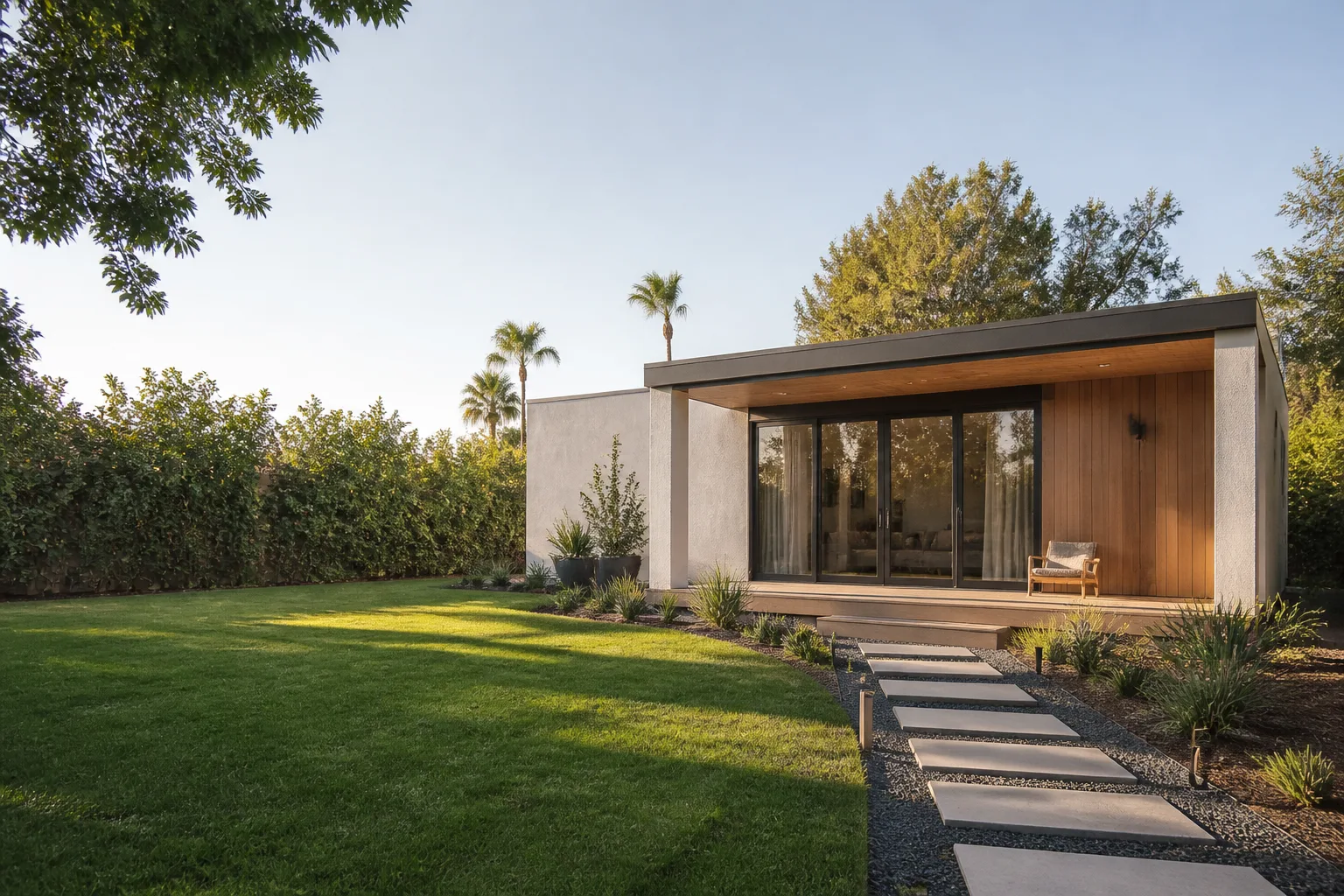
A standalone structure in the backyard, separate from the main house. This is the option most homeowners picture, and it offers the most design freedom. It also demands the most lot: you need room for the building footprint, the required separation from property lines, and access for the trades during construction. On a roomy Spring Valley lot, a detached unit is often the cleanest path. On a tighter parcel, it may simply not fit.
Attached ADU
An addition that shares a wall or roofline with the primary house, with its own entrance and living space. Attached units borrow existing structure, which can make them attractive where lot space is limited. The trade-off is design complexity: tying new construction into an existing home’s framing, utilities, and roofline takes careful planning. The upside is that an attached ADU often blends into the neighborhood more quietly, which helps in HOA territory. You can explore this route further through our room addition contractor work.
Garage Conversion
Converting an existing garage into living space. This is the fastest and often most economical ADU type, because the structure, foundation, and roof already exist. The catch is that you lose parking, and conversion work has to address insulation, windows, and utility connections to bring the space up to residential standards. In a desert climate, that insulation work matters more than most homeowners expect. If your Spring Valley garage sits empty or holds storage, it’s the lowest-friction starting point.
JADU-Style Interior Unit
A smaller unit created inside the footprint of the existing home, typically with a compact kitchen and bathroom. It’s the quiet option: no new structure, no backyard footprint, no exterior design questions for an HOA to weigh. Space is the constraint, and the rules for this type are specific, so it’s a conversation to have early with the county rather than late.
What an ADU Costs in Spring Valley
We won’t quote a single number here, because an ADU’s cost is a function of its type, size, site conditions, and finish level, and national averages don’t translate cleanly to a Clark County project. What we can give you is an honest structure. Every ADU budget has the same four buckets, and the written estimate you receive should break out each one in line-item form rather than lump everything into one figure.
- Design and permit costs: architectural drawings, engineering where required, and the county’s review and permit fees.
- Site work: grading, utility trenching, and anything specific to your lot’s drainage or access.
- Construction: foundation, framing, roofing, windows, insulation, mechanical, electrical, and plumbing.
- Finishes: kitchen, bath, flooring, and exterior treatment. This is the bucket where budgets move most.
Garage conversions sit at the low end of the range because the shell exists. Detached ground-up units sit at the high end. Prefab units from brands like Abodu, Cover, or Dvele land somewhere in the middle, often closer to a custom build than homeowners expect once site work and installation are included. That’s the point of pricing prefab and custom side by side: you see the real comparison, not a marketing one.
On timeline, Clark County permit review is the variable that surprises people. National ADU guides quote review windows that have nothing to do with Clark County’s current cycle, and a project schedule built on the wrong number falls apart quickly. We set the schedule in the written estimate after the county’s process is understood, and we own that schedule from permit to move-in. Our technicians have up to 12 years of experience in this work, and the estimates we write are free.
One more cost note specific to Spring Valley: desert conditions shape the build. Roof overhangs, shading, insulation values, and HVAC sizing all matter more in a climate with intense summer sun and wide temperature swings than they do in milder regions. A unit designed for a temperate climate and dropped here will cost more to run and feel worse to live in. Factor climate-responsive design into the budget from the start. For a closer look at how we approach building, see our ADU builders page.
Prefab or Custom-Built: The Decision in Desert Conditions
The honest answer is that both paths work in Spring Valley, and the right one depends on your lot, your timeline preference, and how much design input you want. We offer both, which means we can show you a prefab unit and a site-built option from the same conversation and let the facts decide. Here’s how the comparison actually breaks down locally.
Prefab ADUs
Units from Abodu, Cover, or Dvele are architect-designed and factory-built, then delivered and installed on your lot. The advantages are design quality and predictability: the structure is built in a controlled environment, and the finish level is set before it arrives. The local consideration is installation and site work. A prefab unit still needs a foundation, utility connections, and county approvals, and those site conditions vary across Spring Valley parcels. We have authorized working knowledge of all three brands and can walk you through which product line suits your lot.
Custom Site-Built ADUs
A ground-up build gives you full control over layout, materials, and how the unit relates to your existing house and yard. It’s the right call when your lot has quirks, when you want something specific, or when an attached design makes more sense than a standalone structure. Custom builds are also where climate-responsive design pays off most, because you can orient the unit, size the overhangs, and detail the envelope for desert conditions from the drawing stage.
How HOA Rules Tip the Decision
Many Spring Valley neighborhoods have HOAs, and HOA architectural review can influence which type and which design you pursue. A prefab unit with a fixed exterior look may or may not clear an HOA’s design guidelines. A custom build lets you adjust. Either way, HOA approval is a parallel track to county review, not a substitute for it, and we plan for both.
Permits, Setbacks, and HOA Approval in Clark County
Most ADU projects require permits, and in unincorporated Spring Valley that means Clark County permits. We don’t publish setback distances or size limits here, because those depend on your zoning designation and the particulars of your parcel, and they’re confirmed with the county’s planning or building department before plans are final. What we can explain is the shape of the approval process, so you know what’s coming.
- Confirm jurisdiction and zoning. Verify the parcel is in unincorporated Clark County and identify its zoning designation. This sets every rule that follows.
- Check HOA requirements. If your neighborhood has an HOA, pull its architectural guidelines early. HOA review and county review run in parallel.
- Prepare drawings and documentation. Site plan, floor plan, elevations, and the engineering the county requires for your project type.
- Submit for county review. The county’s planning and building departments review the application, and comments come back for response.
- Respond and revise. Plan review comments are normal. Responding quickly and completely is what keeps a schedule intact.
- Pull permits and build. Once approved, permits are issued and construction proceeds through county inspections.
Setbacks and placement are the items homeowners most often get wrong when planning against Las Vegas rules instead of Clark County rules. Rather than guess, we confirm them with the county for your specific lot. It’s a step that takes a conversation and saves a redesign.
HOAs deserve their own note. A county-approved plan is not an HOA-approved plan, and the reverse is also true. Both must clear. In our experience, the projects that move smoothly are the ones where HOA review starts early, because design changes requested late in the process ripple through everything.
The “What Comes First” Sequencing Checklist
The single most useful thing you can do before spending on design is get the order right. Each step below unlocks the next, and skipping ahead causes the rework we see most often. It’s a plain sequence, and it works whether you’re leaning toward Abodu, Cover, Dvele, or a fully custom build.
- Confirm jurisdiction first. Verify your parcel is in unincorporated Clark County and pull its zoning designation. Nothing else is reliable until this is done.
- Check HOA rules next. Request the architectural guidelines and any ADU-specific provisions. This shapes design before you draw anything.
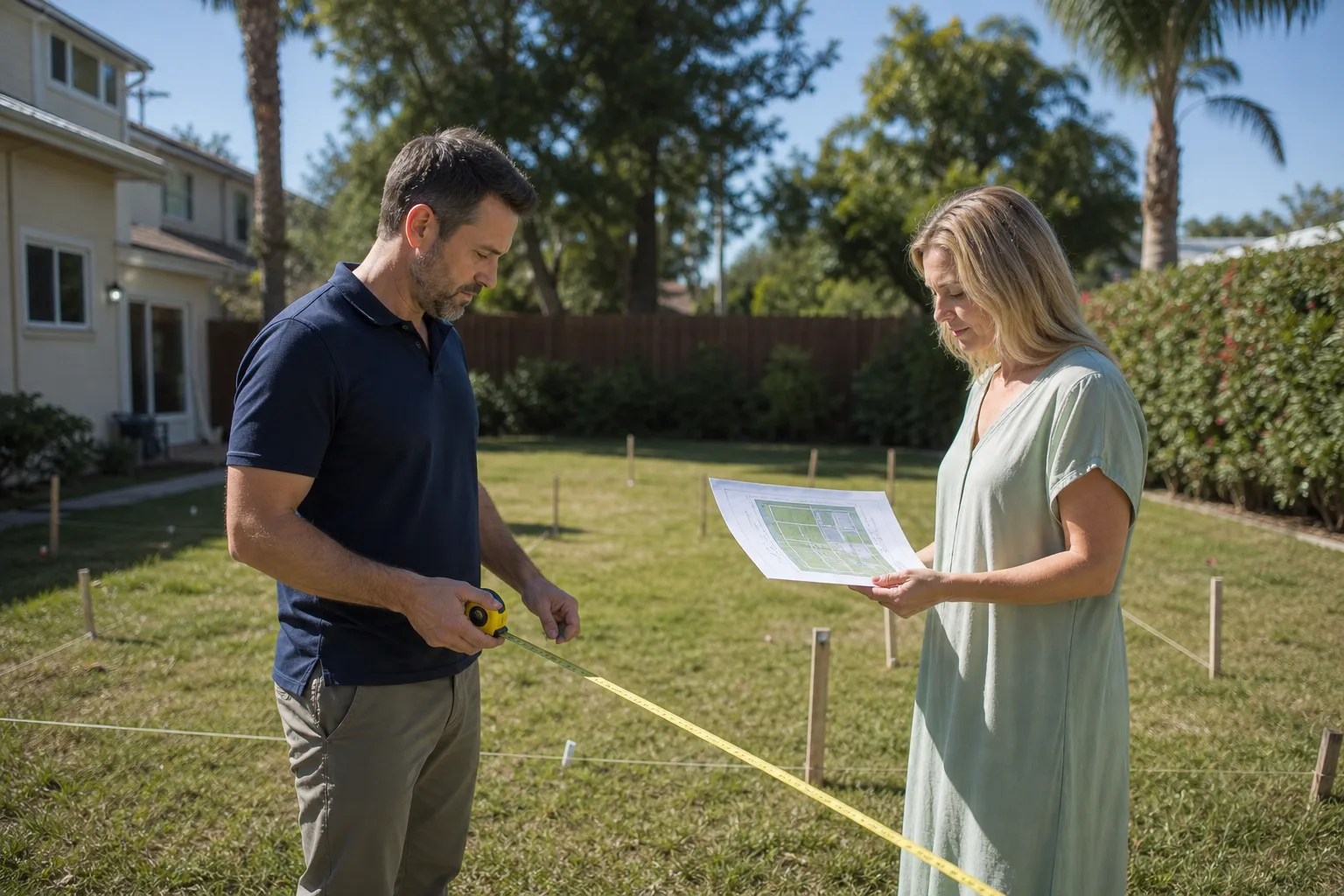
- Review your lot’s real conditions. Lot size, existing structures, access, drainage, and utility locations. This tells you which of the four ADU types can actually work.
- Set your use case and budget range. Rental income, multigenerational living, or a home office. The use case drives the size, layout, and finish level, and the budget follows.
- Compare prefab and custom with real numbers. Sit down with both options for your lot and see the honest comparison before committing.
- Commission design and confirm county requirements. Drawings and documentation, plus confirmation of setbacks and limits with the county for your parcel.
- Submit for county review and HOA approval. Both tracks, running in parallel where possible.
- Pull permits and build to move-in. Construction, inspections, and completion, with the written estimate setting the schedule and price.
If you follow this order, you’ll spend your first dollars on the decisions that actually determine the outcome. If you skip step one, everything after it rests on a guess. Start with jurisdiction, and the rest of the guide applies to your address.
Common Mistakes to Avoid
- Planning against Las Vegas rules. Spring Valley is unincorporated Clark County, and its process is not the City of Las Vegas’s. Confirm the jurisdiction by address before anything else, or you’ll unwind assumptions later.
- Starting design before checking zoning and HOA. A beautiful plan that violates the zoning or the HOA guidelines is a redo. Check both before you commission drawings.
- Skipping the HOA architectural review. In Spring Valley neighborhoods with an HOA, county approval isn’t the only gate. HOA review runs alongside it, and late surprises are expensive.
- Treating national cost averages as local numbers. A published national ADU average has little to do with a Clark County project’s actual line items. Ask for a written estimate broken out by category.
- Assuming a prefab unit needs no site work. A factory-built unit still requires a foundation, utility connections, and county approvals. Budget the site work alongside the unit itself.
- Ignoring desert design requirements. Roof overhangs, shading, insulation, and HVAC sizing shape how a Spring Valley unit performs in summer heat. Climate-responsive design is not optional here.
- Choosing a garage conversion without planning for parking. The conversion itself is the easy part; the lost parking and the residential standards for insulation and utilities are what need attention up front.
When to Call a Professional
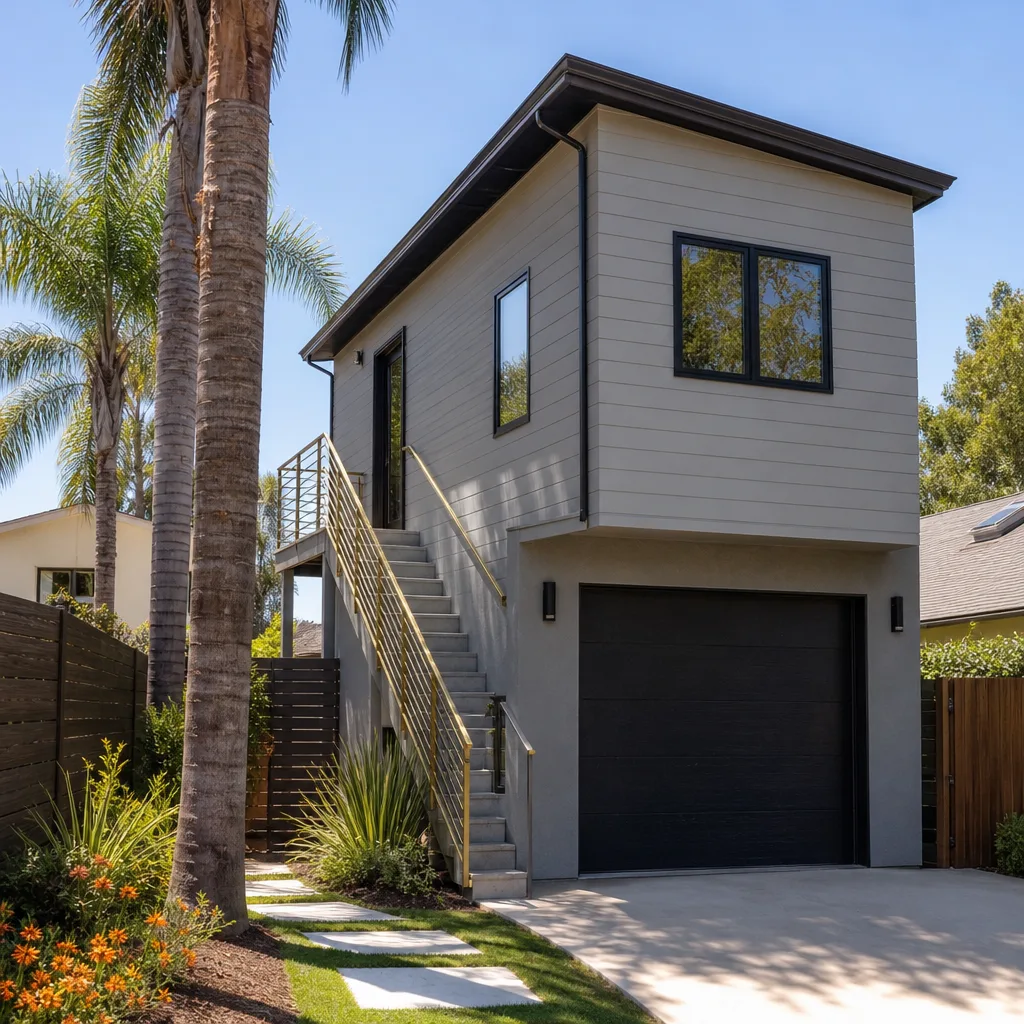
Call a professional when your project involves anything beyond a simple cosmetic change: a new detached unit, an attached addition, or a garage conversion where insulation, windows, and utility work are involved. Call specifically when you need jurisdiction confirmed, when your lot’s zoning is unclear, when HOA guidelines need interpreting against a design, or when you want a real prefab-versus-custom comparison for your own parcel rather than a generic one. We handle ADU-category work only, which means the person answering your question does this every day, not as a sideline. Casita Builders Spring Valley offers free estimates in Spring Valley. Call (844) 320-4756. We answer 24/7. Fast dispatch from 7am to 7pm, Sunday through Friday.
Frequently Asked Questions
Spring Valley is unincorporated Clark County, so your ADU is reviewed by Clark County’s planning and building departments, not the City of Las Vegas. Confirming the jurisdiction by address is the first step for any Spring Valley project, and it’s the step most homeowners miss. Call (844) 320-4756 for a free estimate and we’ll start there.
The four main types are detached, attached, garage conversion, and JADU-style interior units, and which one fits depends on your zoning and lot size. Detached units need the most space, garage conversions need the least, and attached units sit in between. Call (844) 320-4756 to talk through your parcel.
Cost depends on the type, size, site conditions, and finish level, and we price every project per job with a written, line-item estimate rather than a national average. Garage conversions sit lowest, detached ground-up builds highest, and prefab units land in between once site work is included. Call (844) 320-4756 for a free estimate. The written estimate sets the final price.
Yes. We offer access to prefab units from Abodu, Cover, and Dvele alongside fully custom site-built options, and we’ll show you both so you can decide on facts. That side-by-side comparison is the honest way to choose. Call (844) 320-4756 to schedule yours.
Yes, if your Spring Valley neighborhood has an HOA, its architectural review runs in parallel to county approval, and both must clear. HOA design guidelines can influence the ADU type and exterior details you choose, so it’s worth checking them early. Call (844) 320-4756 for help understanding what your HOA will want to see.
The schedule depends on the county’s review cycle and your project’s specifics, and we set it in the written estimate once the county’s process is understood. We don’t publish a blanket timeline because national figures don’t translate to Clark County. Call (844) 320-4756 to get a schedule for your project.
The Bottom Line
The most important fact about an ADU in Spring Valley is jurisdiction. Spring Valley is unincorporated Clark County, not the City of Las Vegas, and every guide built for “Las Vegas” is answering a question that isn’t quite yours. From there, it’s about matching the right ADU type to your parcel, budgeting by category instead of by national average, comparing prefab and custom honestly, clearing both county and HOA review, and following the sequence that unlocks each next step. We do ADU work only, from permit to move-in, and we’re glad to show you what’s possible on your lot. If you’re ready to start with a free estimate, call (844) 320-4756. We answer 24/7. Fast dispatch from 7am to 7pm, Sunday through Friday.
Ready to Start? Call for a Free Estimate
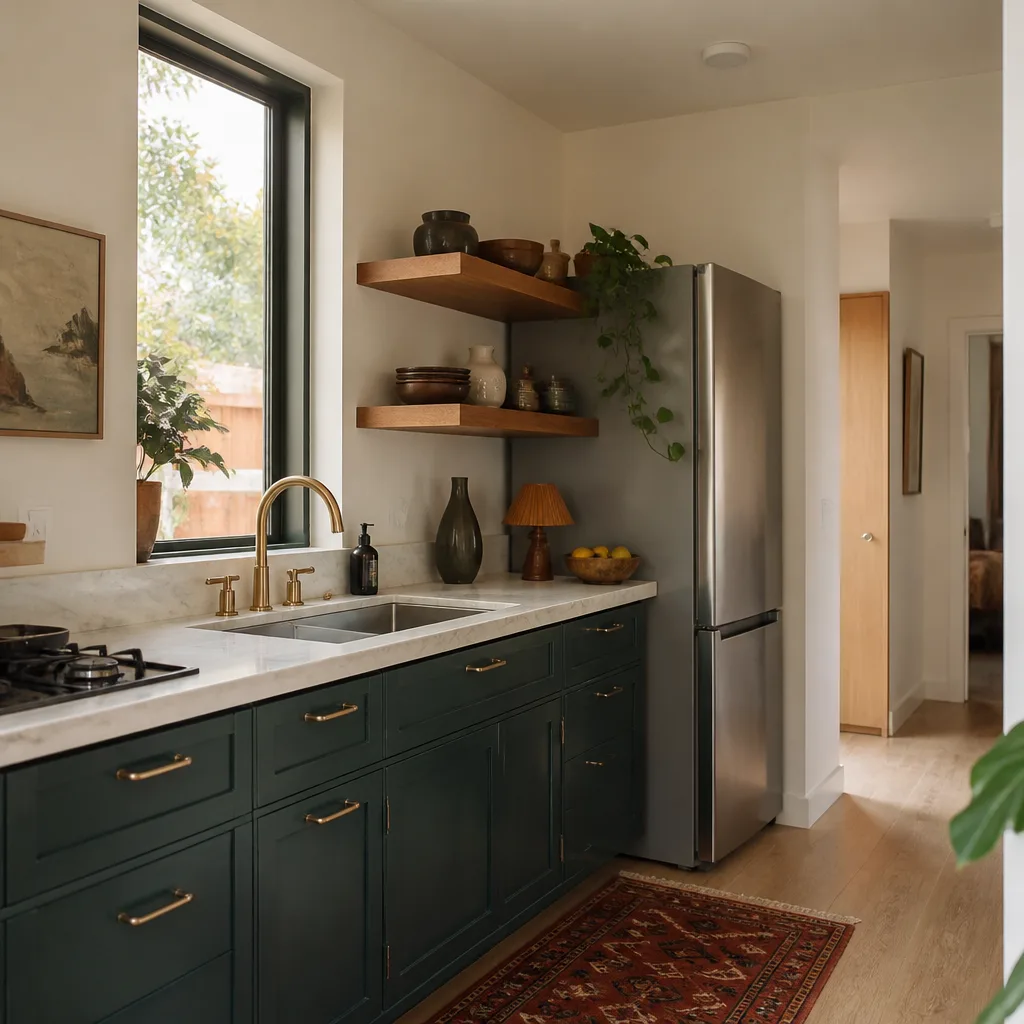
Your lot already holds more potential, and the first step costs nothing. Whether you’re leaning toward a prefab unit or a custom build, we’ll walk you through jurisdiction, zoning, HOA, cost, and schedule for your specific Spring Valley address. Casita Builders Spring Valley is the place to start. Call (844) 320-4756. We answer 24/7. Fast dispatch from 7am to 7pm, Sunday through Friday. Learn more on our Casita Builders Spring Valley page.
Written by the team at Casita Builders Spring Valley.