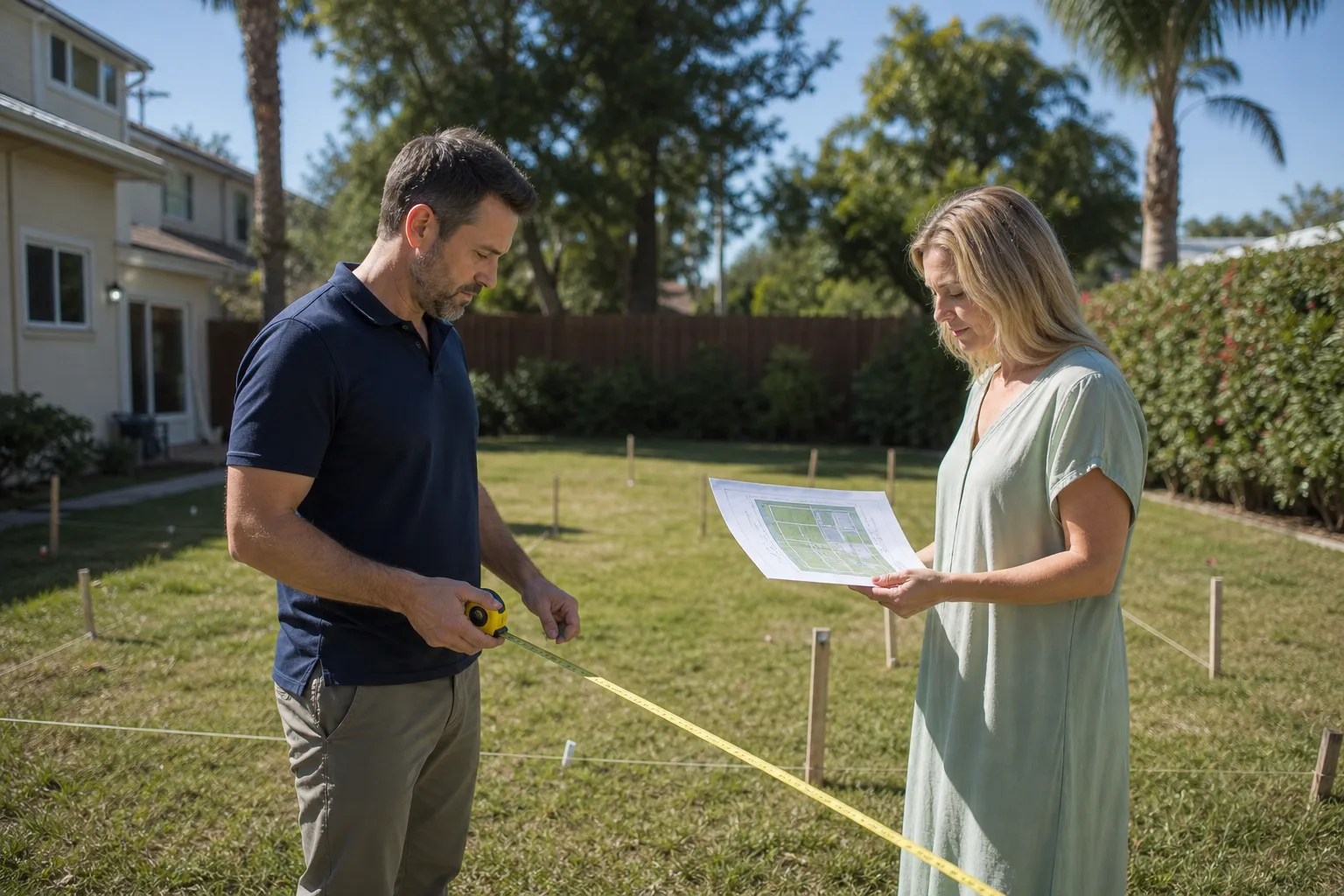
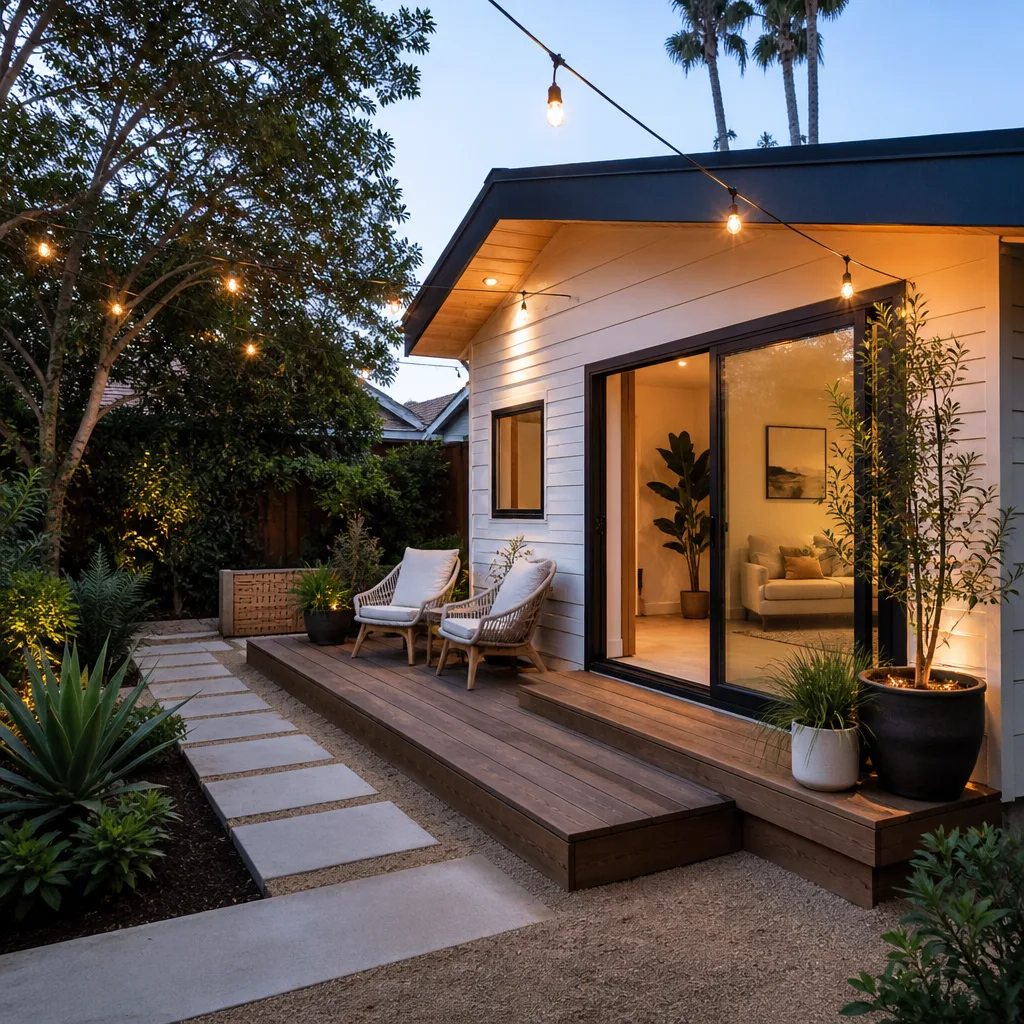
A free site visit, a check of what your lot allows and a written, line-item price.
Get your free estimateHow Much Does ADU Site Prep & Utilities Cost in Spring Valley?
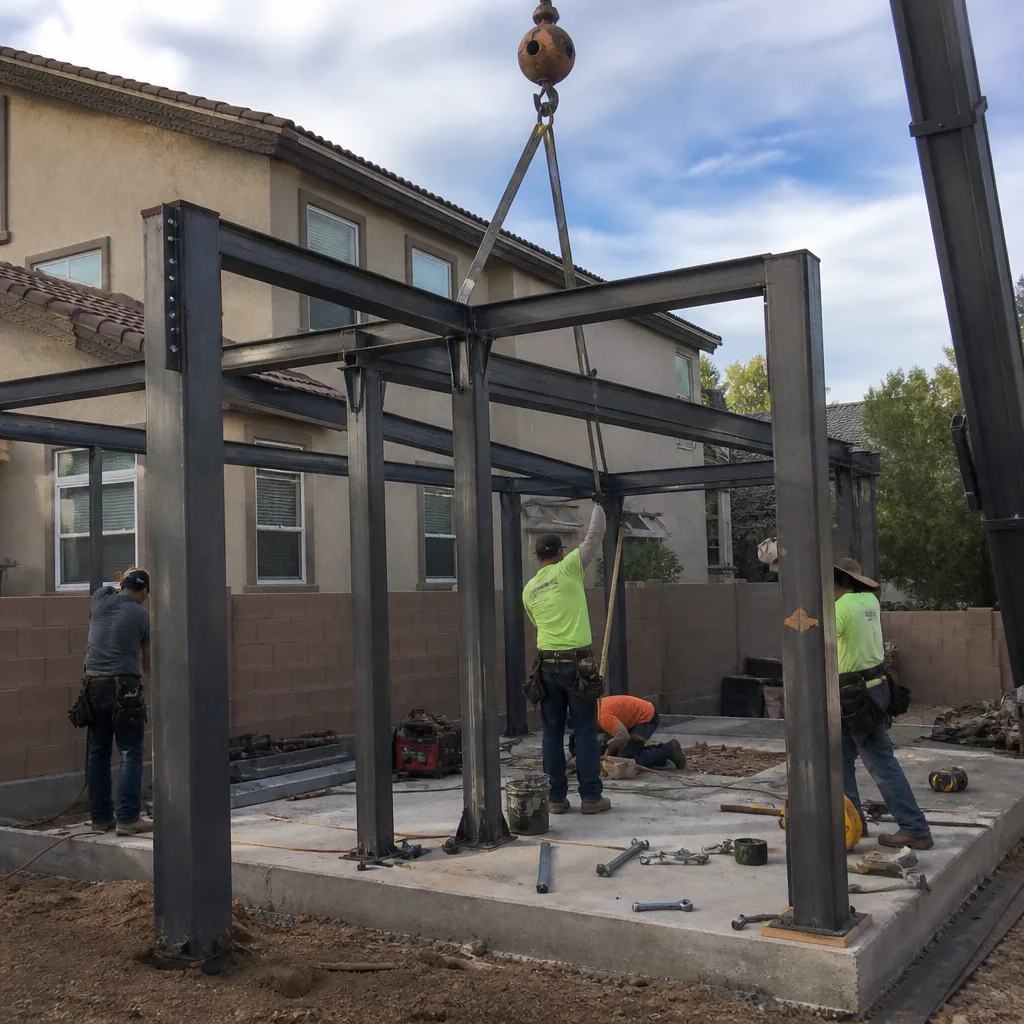
ADU site prep and utilities in Spring Valley typically run $15,000 – $50,000, and most projects land somewhere in the middle of that range. That covers the groundwork before a unit goes up: grading and excavation, the concrete foundation, trenching for water and sewer, the electrical run from the main panel, and gas if the unit needs it. The written estimate sets the final price, and what moves you toward the top of the range is almost always how far the unit sits from existing utility connections and how much rock the excavation crew hits.
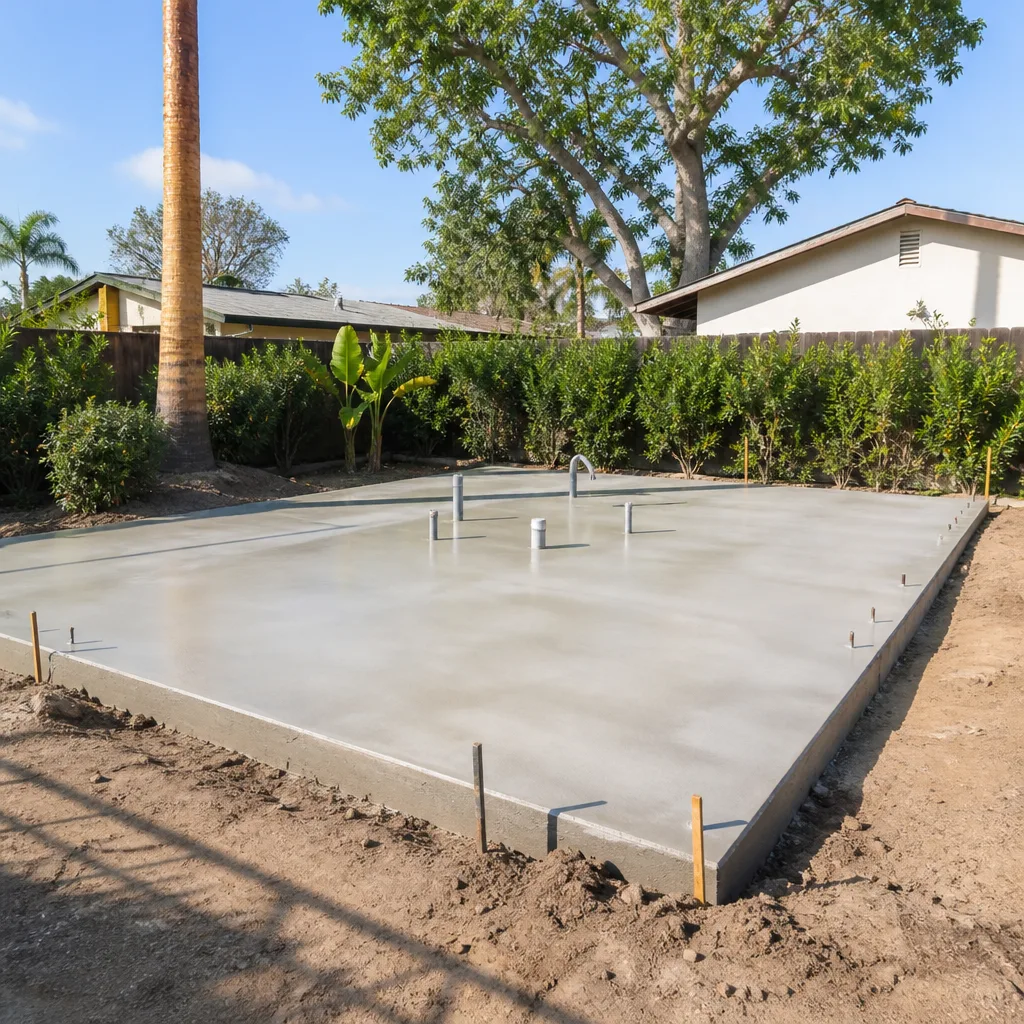
ADU Site Prep & Utilities Cost Breakdown (2026)
Here’s how the line items shake out for a typical detached ADU on a Spring Valley lot. These are estimated ranges for planning; your site conditions decide where inside each range you fall.
| Line item | Typical estimated range | What it covers |
|---|---|---|
| Site survey, grading & excavation | $2,500 – $8,000 | Clearing, cut and fill, compacted pad prep |
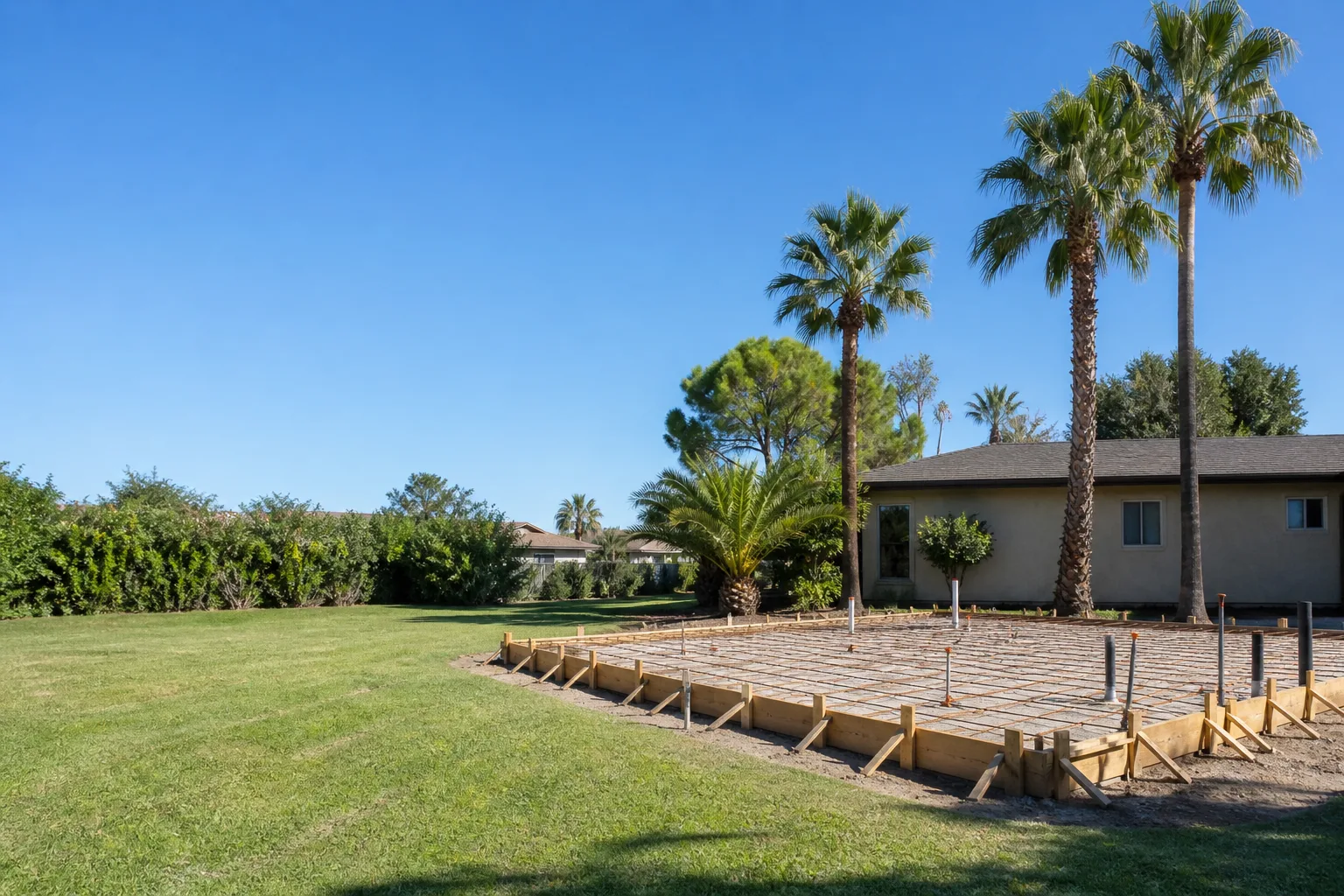
| Foundation (slab or stem wall) | $4,000 – $14,000 | Concrete, rebar, forms, vapor barrier |
| Water line trench & connection | $1,500 – $5,000 | Trenching, meter tie-in, line to the unit |
| Sewer or septic tie-in | $2,500 – $9,000 | Lateral trench, connection, slope, inspection |
| Electrical service & conduit | $2,000 – $7,500 | Panel capacity check, meter, conduit run, subpanel |
| Gas line (if the unit uses gas) | $1,000 – $3,500 | Trench, line, shutoff, pressure test |
| Storm drainage & site grading finish | $1,000 – $3,000 | Swales, drainage away from the unit, final grade |
Add those up and you land in the $15,000 – $50,000 band. The wide spread isn’t padding; it’s the difference between a short run to the alley-side sewer and a long trench across a lot with buried landscaping and hard caliche underneath. On the lower end, you have a flat, cleared lot close to the existing connections. On the upper end, you have long utility runs, a lot that needs significant grading, and trenching that turns into rock-breaking. We lay out each line item before work starts so you can see exactly where the dollars are going, and that side-by-side clarity is the same approach we take when we help you compare a Dvele or Abodu unit against a site-built build.
What Affects ADU Site Prep & Utilities Pricing in Spring Valley
Spring Valley lots vary a lot block to block, and the soil and utility picture here shapes the price more than any single line item. A few of the factors that move the number:
- Distance to existing connections. The farther your ADU sits from the water meter, sewer lateral, and electrical panel, the more trench and pipe you’re paying for. A unit tucked behind the garage is usually cheaper to connect than one at the back corner of a deep lot.
- Soil and caliche. Much of the valley sits on hard, cemented soil that slows excavation and can require more than a standard trenching pass. When crews hit caliche, grading and trenching take longer, and that shows up in the site work line.
- Electrical panel capacity. If your main panel has room for the ADU’s load, the electrical run is straightforward. If it needs an upgrade or a subpanel, that’s added cost and added scope. This is the one part of prep where a licensed electrician has to make the call, because panel work is genuinely dangerous and not a homeowner job.
- Grading and drainage. A flat lot drains easily. A lot that slopes toward the house or holds water after a monsoon needs regrading and drainage work so the ADU pad and the main house stay dry.
- Buried obstacles. Old sprinkler lines, landscape walls, and roots all add removal and rerouting. A site survey catches most of it, but surprises underground happen.
- Prefab vs. site-built foundation needs. A factory-built Cover or Abodu unit still needs a properly engineered pad, but the foundation spec can differ from a fully site-built ADU. The prep scope follows the unit type, so choosing the unit first keeps the site work honest.
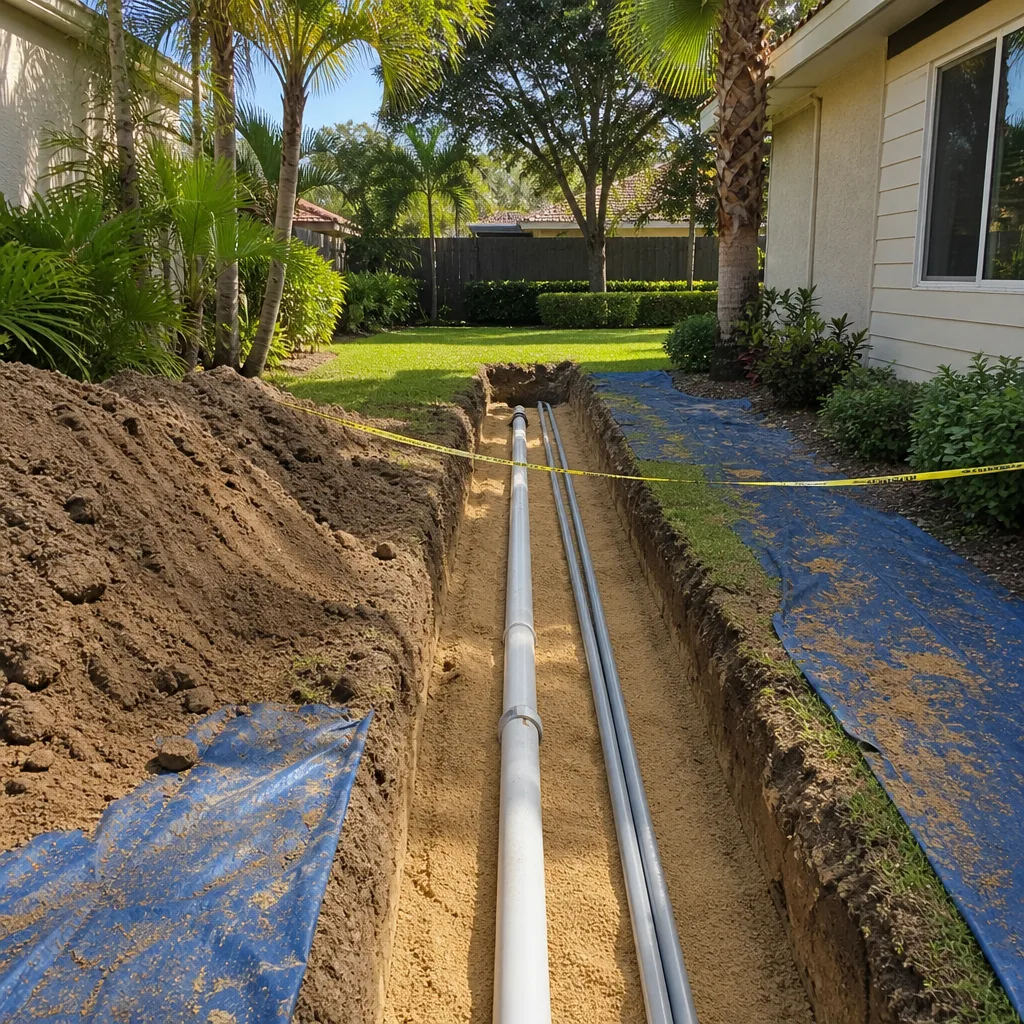
Prefab or Custom: How the Unit Choice Shapes Site Prep Cost
The unit you pick changes the site work, so it pays to settle that before you trench anything. A pre-engineered prefab from Abodu or Cover comes with defined foundation and utility connection points, which can tighten the prep scope and reduce guesswork. A fully custom build, including a ground-up site-built ADU or a room addition, gives you more freedom in layout and connection strategy but can widen the prep scope. We can present both side by side, with the same contractor pricing the groundwork for either, so you’re choosing from facts rather than guessing at the difference. ADU is all we do, and that focus shows up in how carefully we scope the prep around the unit you actually want.
How to Save on ADU Site Prep & Utilities
You can’t shrink the trench you need, but you can keep the prep number from climbing. A few practical moves:
- Choose the unit before the site work. Locking in a prefab or custom plan first means the foundation and utility scope is priced to the actual unit, not a placeholder.
- Place the ADU close to existing connections. During design, keep the unit near the water, sewer, and panel. Shorter runs mean less trench and less pipe.
- Get the site survey done early. Knowing where the buried lines and hard soil are before crews start prevents change orders mid-job.
- Bundle site work into one scope. Grading, foundation, and utility trenching done as a single coordinated phase is usually more efficient than scheduling each separately.
- Confirm utility rules with the city early. Connection requirements depend on the city and the lot, so we confirm them with the city’s building department before plans are final. Catching a requirement early is cheaper than catching it after a trench is dug.
Estimates are free, and the written estimate is what sets your final price. Call (844) 320-4756 for a free estimate.
Why Site Prep Is the Right First Conversation in Spring Valley
Homeowners tend to fixate on the unit and treat prep as an afterthought, but the groundwork decides whether the budget holds. Spring Valley lots carry real variability in soil and utility depth, and the site work is where that variability shows up in dollars. Getting a clear line-item prep estimate before you commit to a unit keeps the whole project from drifting. From permit to move-in, we keep the conversation on the numbers that actually matter, so there are no surprises once the digging starts. If you’re mapping out the full project, it helps to see how the build cost stacks up against the prep, which is why we keep our Casita Builders Spring Valley overview and our broader Spring Valley resources on hand for homeowners planning their first ADU.
What to Check Before You Commit
A strong prep estimate is specific. Before you sign off, look for these in the scope:
- A line-item breakdown of grading, foundation, and each utility, not one lump sum.
- Confirmation that the foundation spec matches the unit you’ve chosen.
- A clear note on panel capacity and whether an upgrade is included.
- Drainage handled as part of the site work, not left for later.
- The city’s utility and connection requirements confirmed before final plans.
Our technicians have up to 12 years of experience with ADU-category work, and prep is where that experience earns its keep. If the scope leaves any of these open, ask before the first shovel goes in.
FAQs – ADU Site Prep & Utilities Cost
How much does ADU site prep and utilities cost in Spring Valley?
Typical estimated ranges for ADU site prep and utilities in Spring Valley run from $15,000 to $50,000, with most detached units landing mid-range. Foundation, trenching, and utility hookups make up most of it. Call (844) 320-4756 for an exact quote; estimates are free.
Is site prep cheaper for a prefab ADU than a custom build?
It can be, because a pre-engineered unit from Abodu or Cover comes with defined foundation and connection specs that tighten the scope. It isn’t automatic, though; a lot with long runs and hard soil still pays for those regardless. Comparing both against your lot is the honest way to know, and that’s something we can do side by side.
What’s the biggest cost driver in ADU site prep?
Distance to existing connections and soil conditions usually lead the list. A long trench through hard caliche costs far more than a short run across a flat, cleared lot. Grading and drainage needs come next. Call (844) 320-4756 for a free estimate that prices your actual lot.
Can I run my own trench to save money?
Sometimes homeowners can do the shallow landscape work, but the utility trench itself has to meet code depth and slope and pass inspection, and electrical and gas connections are not DIY work. Panel and gas-line work in particular should always go to a licensed professional. It’s safer and it protects your inspection. Ask us what’s realistic for your site before you pick up a shovel.
Do site prep and utilities have to be permitted in Spring Valley?
Most utility connections and foundations require permits, but the exact requirements depend on the city and the lot. We confirm them with the city’s building department before plans are final. Call (844) 320-4756 for a free estimate that factors permits into the scope.
Get a Free Site Prep Estimate
If you’re planning an ADU in Spring Valley, the smartest first step is a clear, line-item prep estimate before you choose a unit. We’ll walk your lot, price the grading, foundation, and utilities, and show you how prefab and custom options compare on paper. Whether you’re leaning toward an Abodu or Dvele unit or a ground-up custom build, we bring the same single-specialty focus to every project. Call (844) 320-4756 for a free estimate. We answer 24/7. Fast dispatch from 7am to 7pm, Sunday through Friday.
Pricing reflects the Spring Valley market as of 2026. Casita Builders Spring Valley offers free estimates – call (844) 320-4756.
Written by the team at Casita Builders Spring Valley.
What Our Customers Say
"Knew the local setback and parking rules cold, which saved us from designing something that would never have been approved."
- Gabriela Salazar"Garage conversion to a one bedroom unit. He handled the plans, the city submittal, and every round of corrections. Took six months from first meeting to final inspection and he never once made the permit process my problem."
- Shannon Mercer"Sound insulation between the unit and the main house is better than I expected. You genuinely cannot hear the tenant."
- Rafael Rodriguez