
Abodu ADU Builders in Spring Valley: A Homeowner’s Guide
Abodu units arrive to your site largely finished, but “largely” is doing a lot of work in that sentence. The local site work, utility connections and permit coordination account for a big share of your total project and all of your headaches if the wrong builder is involved. Homeowners in Spring Valley often shop the unit first and the builder second, and that order is backwards. This guide splits the job into what Abodu delivers and what your local builder owns, so you can judge quotes on the right criteria.
If you’d rather not sort through it alone, call (844) 320-4756 and we’ll walk you through your options.
What does Abodu actually deliver, and what does your local builder handle?
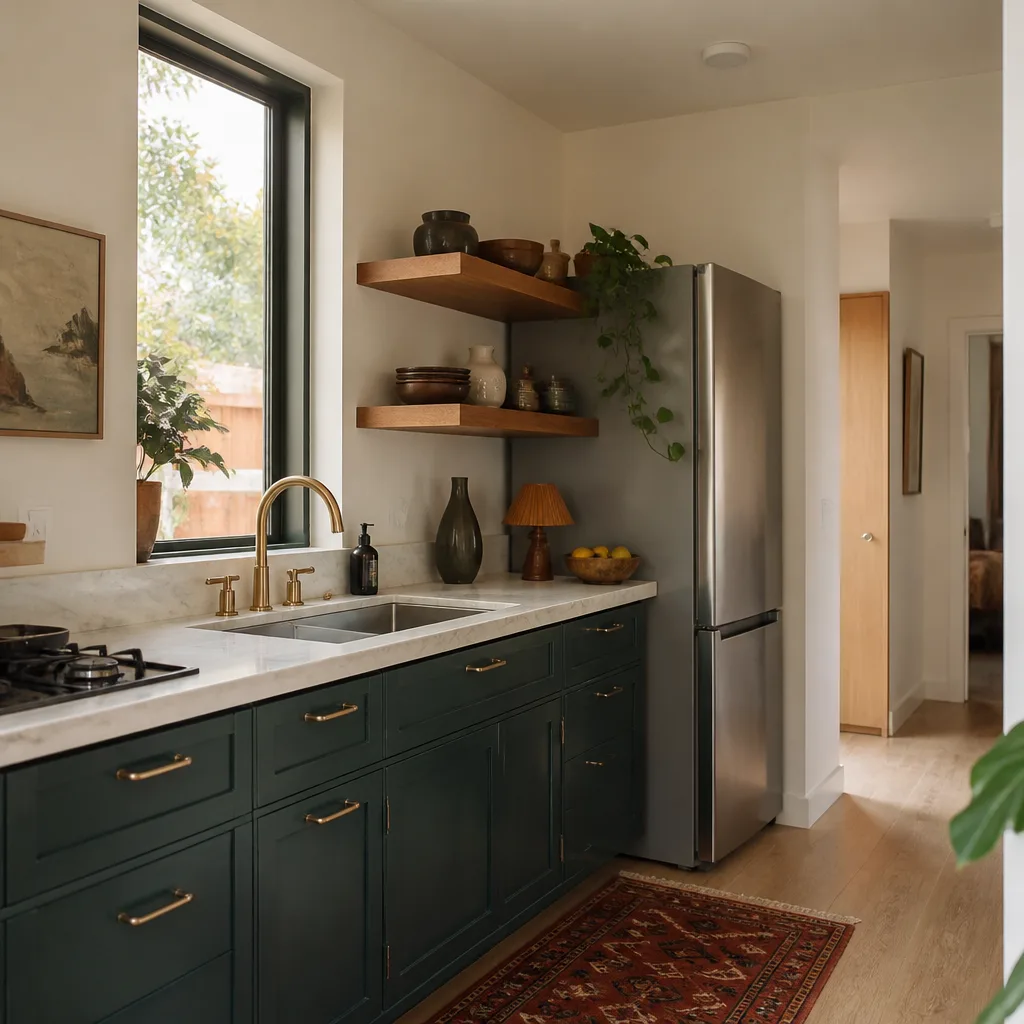
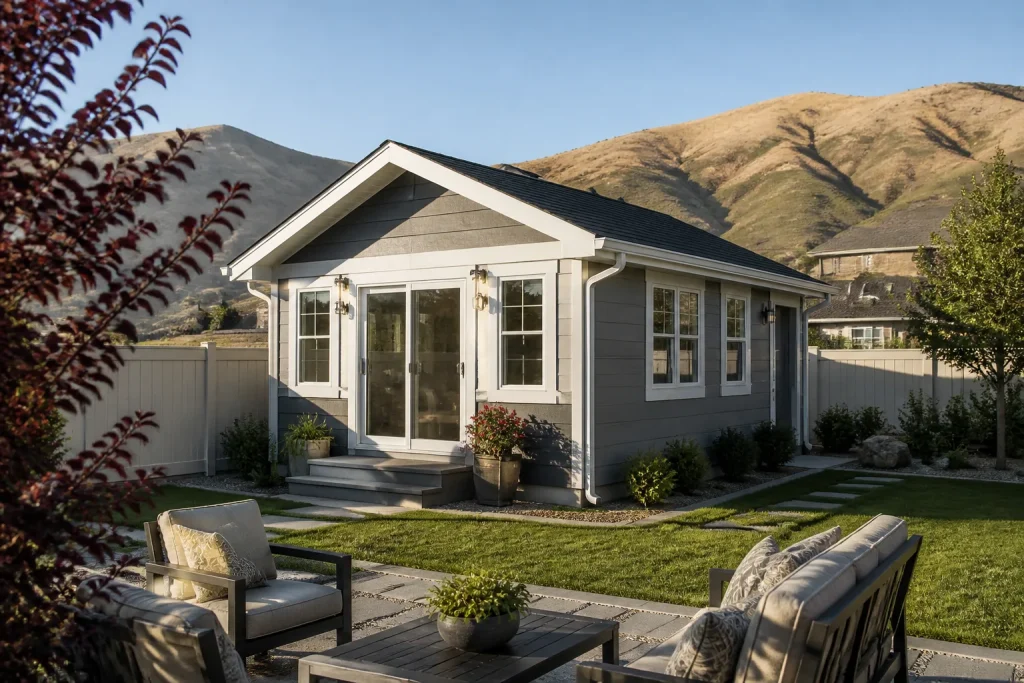
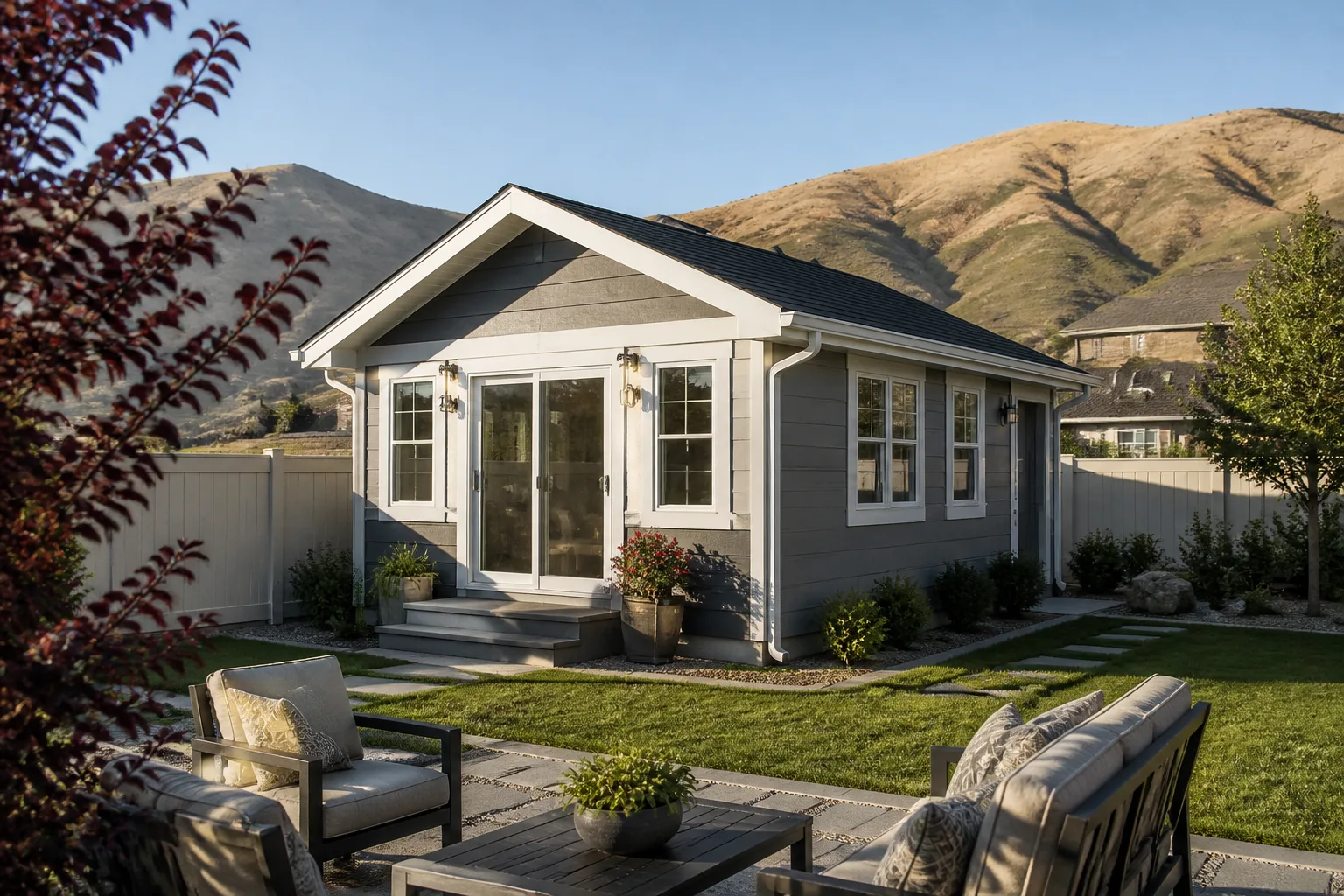
Abodu delivers a factory-built, architect-designed unit to your lot. Everything the factory doesn’t control – site prep, foundations, utility runs, final connections and permit coordination – belongs to the local builder. Most prefab marketing glosses over this split, and it’s the single most useful thing to understand before you sign anything.
Here’s the scope split in plain terms:
- Abodu’s scope: the unit design, factory construction, delivery to the site and placement.
- Local builder’s scope: site survey, grading and clearing, foundation work, trenching for water, sewer and electrical, utility connections, coordinating inspections with the city, and the finish connections that make the unit livable.
- Shared scope: scheduling. Delivery has to land when the site is ready, and that timing is a local builder’s job to protect.
In our experience, the site-work half is where projects actually go sideways. A crew that doesn’t know your lot, your utility routes or the city’s inspection sequence will cost you weeks. A crew that does will make the factory timeline look accurate. When homeowners ask us to compare a prefab unit against a site-built option, this scope split is exactly what we walk through first. Our technicians have up to 12 years of experience on ADU-category work, and they’ll tell you plainly where the risk sits on your particular lot.
How does Clark County permitting work with Abodu’s plans?
Abodu’s pre-approved plans can speed up the review, but they don’t skip local review in Spring Valley. The city still looks at your specific lot: setbacks, height, lot coverage, utility connections and how the unit sits relative to existing structures. Pre-approval saves design time, not site-review time.
What actually adds weeks is missing information. In our experience, the projects that move smoothly are the ones where the builder submits a complete package: site plan, utility plan, foundation details and the manufacturer’s documentation together, not in dribbles. A partial submittal gets sent back, and the clock restarts.
A few things to check with your builder before plans are final:
- Confirm current setbacks, height limits and lot-coverage rules with the city’s planning or building department. These depend on your zone and your lot, and we confirm them for every project before anything is stamped.
- Ask who’s pulling the permit. If the answer is vague, that’s a warning sign.
- Ask whether the builder has coordinated manufacturer documentation with a city submittal before. It’s a specific skill, not a generic one.
Because the rules depend on your lot and your zone, nobody can quote you a firm permit timeline over the phone. What a good builder can do is lay out the sequence in writing, with the inspection points called out, so you know what’s holding things up at any moment. From permit to move-in, that visibility is what keeps a Spring Valley project on its feet.
What should you look for in a local Abodu installation partner?
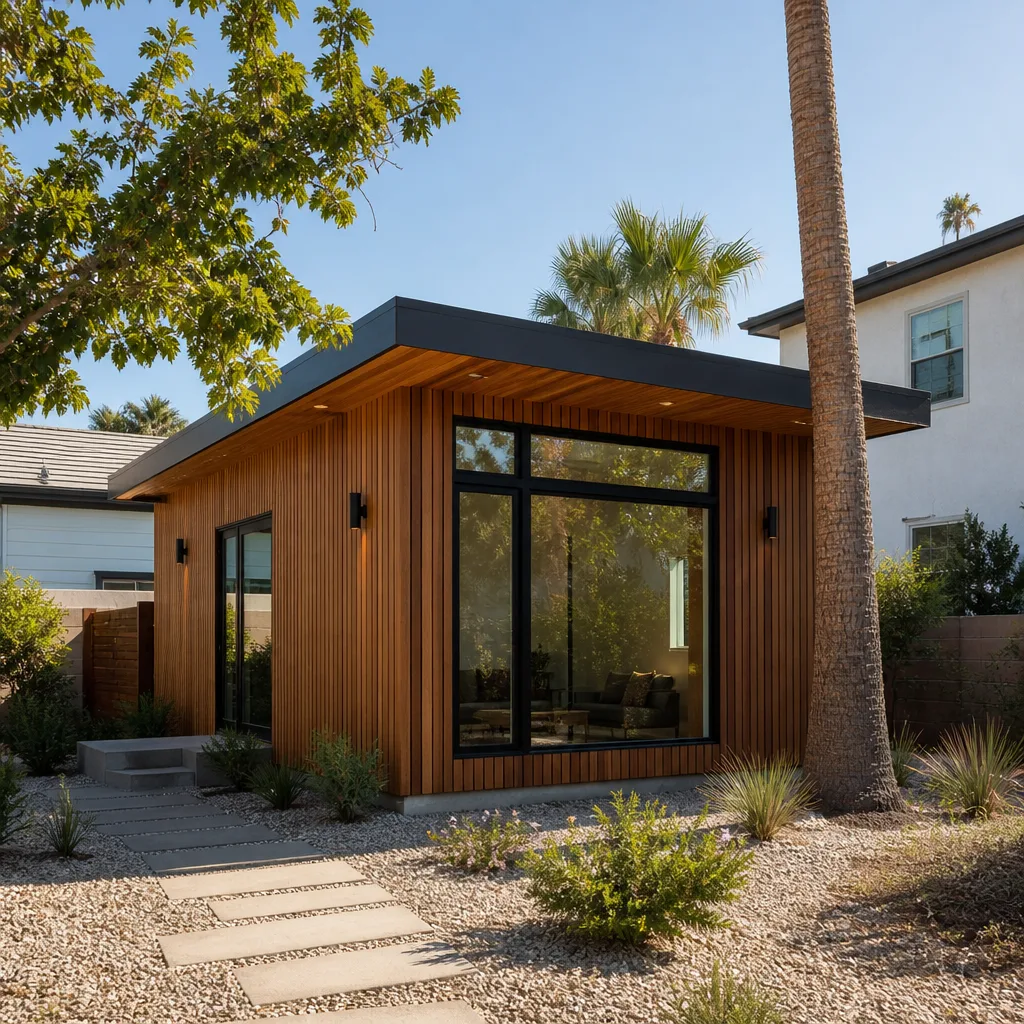
Look for three things: a permit history you can verify, working relationships with utility subcontractors, and specific experience with site prep for a delivered unit. Design taste is nice. These three are what protect your timeline.
Permit history. Ask for examples of ADU permits pulled in the area. A builder who knows the city’s review habits submits cleaner packages and handles corrections faster. You don’t need a decade of files – you need proof they’ve done this specific kind of work locally.
Utility subcontractor relationships. Water, sewer and electrical connections are where site work gets expensive and slow. A builder with established relationships gets plumbers and electricians on site when the schedule needs them, not when it’s convenient. Ask how they handle utility trenching and who does it.
Site prep experience with delivered units. Access matters. A factory-built unit needs a clear path for delivery, a level pad and crane access if the lot demands it. A builder who hasn’t placed a delivered unit may not think about overhead lines or driveway grades until the truck is at the curb. That’s a costly lesson to learn in real time.
This is also where a specialist earns their keep. An ADU-focused builder is thinking about setbacks, utility routes and delivery logistics on every project, because it’s all they do. As ADU builders, we work through this checklist on every Spring Valley lot before a single permit gets filed.
Which Abodu floor plans fit standard Spring Valley lots?
Abodu’s lineup runs from compact studio-style units up to one- and two-bedroom plans. The right fit depends less on the floor plan catalog and more on your lot: how much buildable area you have after setbacks, where utilities enter, and how delivery access works.
In Spring Valley, lot sizes vary widely, and many residential lots have room for a detached unit once setbacks are applied – but the math is lot-specific. Here’s how to think about it:
- Smaller lots: a compact studio or one-bedroom plan usually fits more comfortably, and leaves room for utility routes and delivery clearance.
- Larger lots: one- and two-bedroom plans open up, and placement gets more flexible, which usually means a cleaner utility run.
- Any lot: delivery access and utility routing can move the unit’s position more than the floor plan does. Settle those first.
The mistake we see is picking a floor plan before checking the lot. A plan that looks perfect on a brochure can crowd your setbacks or block the only sensible utility path. Before plans are final, we confirm the setback, height and coverage rules with the city’s planning or building department for your specific lot, then match the plan to what the numbers allow.
If a prefab unit doesn’t fit your lot well, a site-built option or a garage conversion might. That’s why we present prefab and custom-build options side by side, so you choose based on facts rather than guesswork. If you’re also thinking about adding interior square footage, a room addition contractor can weigh those options with you.
How does Abodu compare to Cover and Dvele for a Spring Valley project?
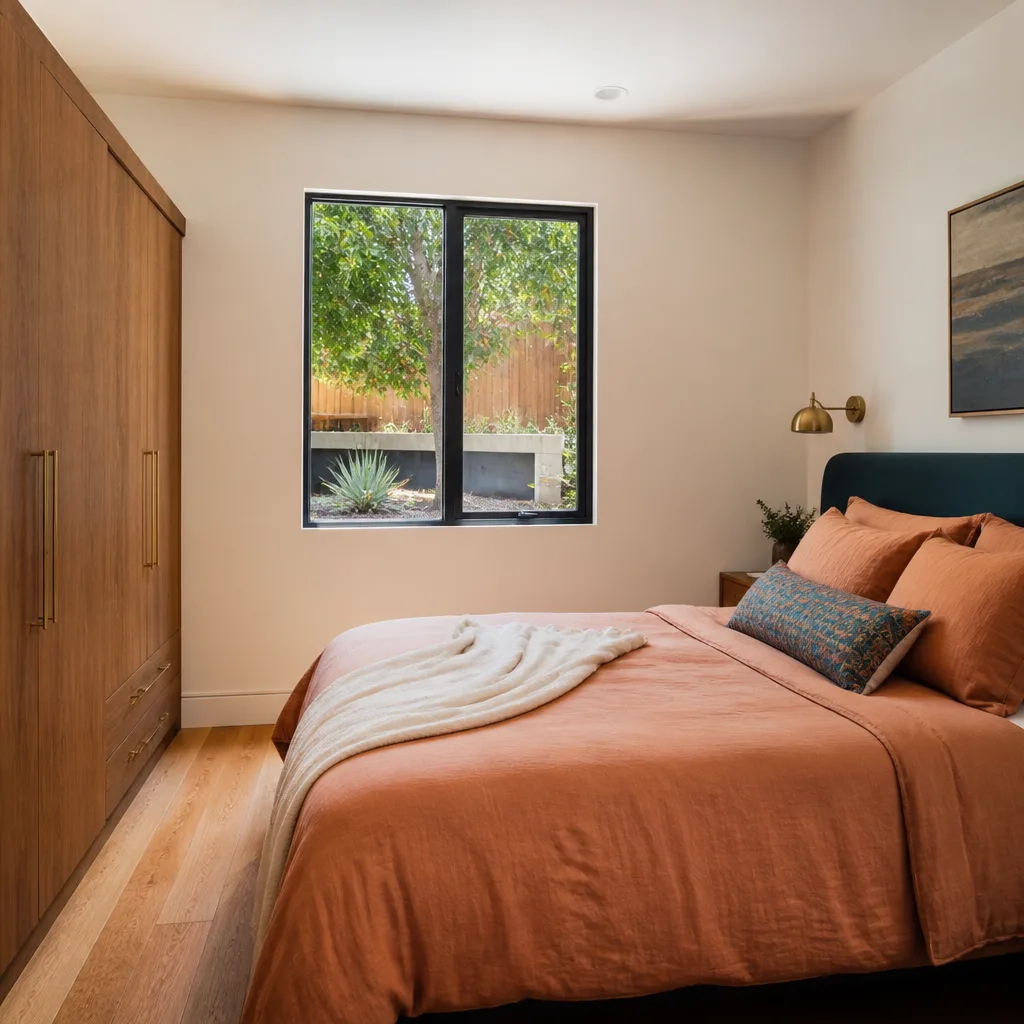
All three brands build design-forward prefab units, but they differ on timeline, design flexibility and total installed cost. The honest answer is that the best choice depends on your lot and your priorities, not on a single winner.
Here’s how they tend to differ on the dimensions that matter most:
- Timeline: factory-built units generally move faster than site-built construction, but the local site work and permit review are the same regardless of brand. A smooth local process matters more than brand speed.
- Design flexibility: each brand offers a set catalog. If your lot geometry or your plans call for something outside that catalog, a site-built unit may serve you better.
- Total installed cost: compare unit price plus site work, utilities and permit costs, not unit price alone. That’s the number that decides whether a project pencils out.
In our experience, homeowners who compare all three brands against a site-built option end up more confident in their choice, because they’ve seen the real trade-offs. We work with Abodu, Cover and Dvele, and we’ll tell you honestly which one fits your situation – including when none of them do. Spring Valley homeowners deserve that comparison, not a sales pitch for a single catalog.
When should you call a professional instead of going it alone?
Call a professional the moment utility connections, foundations or permit coordination enter the conversation. Those pieces involve real safety and code stakes, and getting them wrong costs more to fix than to do right the first time.
The work that involves trenching, electrical connections and foundation engineering is not a weekend project, and we’d never suggest otherwise. A licensed builder handles the site work, coordinates inspections and makes sure the delivered unit is connected to code. That’s the part where experience pays for itself.
If you’re planning an ADU in Spring Valley, start with a free estimate and a scope conversation. We’ll walk your lot, explain what’s involved and give you a written line-item quote so you can compare options on equal footing. Related services in Spring Valley: new detached ADU builds, garage conversions and room additions, all under one specialist roof.
The Bottom Line
Abodu’s factory-built model delivers speed and design consistency, but your experience in Spring Valley depends on the local builder coordinating site work, permits and delivery. Choose your builder as carefully as your unit, verify their permit history and utility relationships, and confirm lot-specific rules with the city before plans are final. The unit is the easy part. The site is where projects are won or lost.
If you’re in Spring Valley and need help sorting through prefab versus custom, Casita Builders Spring Valley offers free estimates – call (844) 320-4756. We answer 24/7. Fast dispatch from 7am to 7pm, Sunday through Friday.
Frequently Asked Questions
Total installed cost depends on your lot, site work, utility runs and permit requirements, so there’s no single figure. Compare the unit price plus site work and utilities, not the unit price alone. Call (844) 320-4756 for an exact quote – estimates are free and written line-item.
You can, but the quality of your local builder is what determines whether the project goes smoothly. Site prep, utility connections and permit coordination are all local work. Ask any builder you hire about their ADU permit history and utility relationships before you commit.
With a written line-item estimate, the price is set per job, and we don’t spring change orders on you once the work begins. Site conditions discovered during excavation can affect scope, but a good estimate accounts for what’s visible on your lot up front.
Timeline depends on city review, site work and delivery scheduling, so the schedule is set in your written estimate. Factory construction is fast; local site work and permit review are the variable pieces. We lay out the full sequence in writing so you know what to expect at every stage.
Written by the team at Casita Builders Spring Valley.
Need ADU Help?
Call Casita Builders Spring Valley - licensed & insured, here with fast help in Spring Valley.
(844) 320-4756